

Baby Blues, Postpartum Depression, or Postpartum Psychosis - How to tell the difference
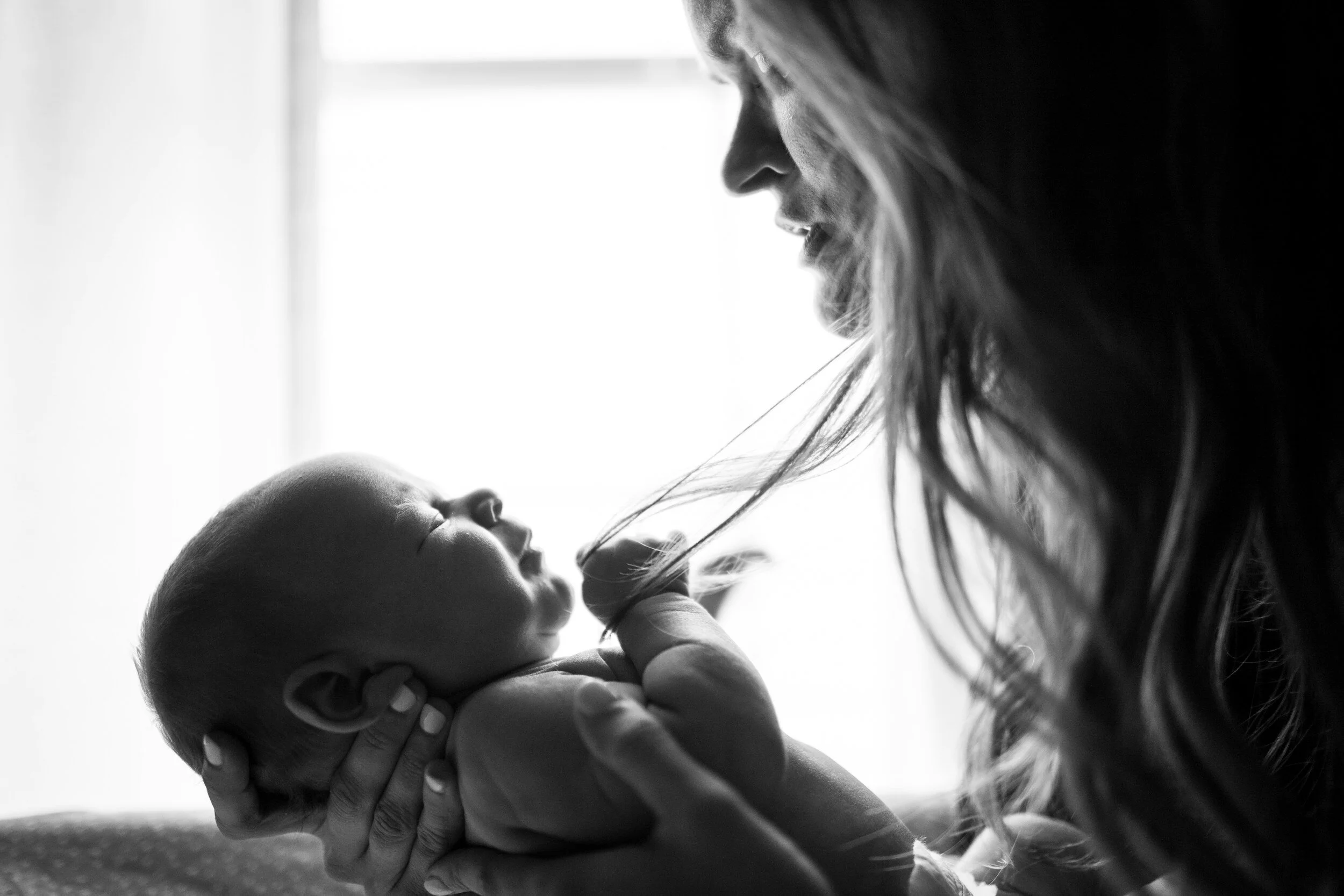
Why am I crying, what on earth is this feeling? This is supposed to be the happiest time of my life, well that's what I kept on hearing….
Can you relate?
The postpartum period can be a beautiful, yet challenging time of significant hormonal, physical, and spiritual change for newborn mothers. Not only are you recovering from the intensity of childbirth, but you’re also most likely dealing with sleep deprivation, whilst trying to learn the art of breastfeeding, all of which have the ability to negatively impact a new mothers mental health.
Let’s start with the “Baby Blues”
During the first 3-5 days it's common for new mothers to experience an uncontrollable shift in mood, often referred to as the “Baby Blues”. The plummet of estrogen and progesterone can be partly to blame for this phenomenon. Studies reveal that the Baby Blues can affect up to 50-80% of newborn mothers.
Women with the baby blues may experience:
Mood swings
Cry for no particular reason
Feel overwhelmed
Lack energy
Find themselves to be more reactive than usual
Reduced concentration
Sleep difficulties
Anxiety
Regardless of these symptoms, mothers can still find pockets of joy during this period. The baby blues don’t require medical attention and usually subside within 2-3 weeks. If symptoms persist and or worsen, it may be an indication that something deeper is happening, like postpartum depression or, in rare cases postpartum psychosis.
What is Postpartum Depression (PPD)?
Postpartum depression may be mistaken for the baby blues at first because the symptoms tend to be very similar. However, these symptoms can be far more extensive and tend to last longer than a few weeks. Postpartum depression can last for months, even years, if left untreated.
Postpartum depression symptoms include:
Severe mood swings
A lot of Crying
Withdrawing from loved ones
Changes in eating habits (loss of appetite or eating a lot more)
Inability to sleep even when super tired, or sleeping too much
Tired or loss of energy
Little to no interest in activities you would usually enjoy
Feelings of despair
Shame, guilt or feeling inadequate
A rapid reduction in cognitive capacity
Restlessness
Panic attacks
Thoughts of harming yourself or your baby
So, What is Postpartum Psychosis (PPP)?
Postpartum psychosis is a rare mental health emergency that affects 1-2 per 1000 women. PPP can present rapidly and has the potential to put both the mother and her baby in danger.
Postpartum psychosis symptoms include:
Confusion and cognitive impairment that may come and go
Coming in and out of consciousness
Extremely disorganised behaviour
Hallucinations or delusions
When to seek professional support
It's important to call your healthcare provider as soon as possible if symptoms:
Don’t fade after 2 weeks
If you experience harmful thoughts
Symptoms get worse over time
Make it hard for you to look after your baby
Make it hard to complete simple daily tasks
Or simply, if you feel like something doesn't feel right
What can I do to avoid a postpartum mental health condition?
While you can't always prevent a postpartum mood disorder, there are some ways to reduce your risk:
Invest in childbirth and postpartum education:
While it can be hard to imagine what life will be like with a newborn, there are some practical things to educate yourself on during pregnancy. The first is- Childbirth Education: most (not all) women who enter the birth space prepared mind, body, and soul tend to perceive their birth as a more positive experience and report having a more pleasant postpartum journey. Secondly- Postpartum Planning: it’s important that mothers set realistic expectations for postpartum and prepare for the vast life adjustments as best as possible, after all, knowledge is power.
Practice self-care during pregnancy and postpartum:
Sometimes this can be harder than it sounds, especially when you’re in the thick of postpartum caring for a little one. Try your best and remember to lean on your community, even if it is just taking 10 minutes for yourself a day.
Seek and accept support from your loved ones:
Motherhood was never meant to be navigated alone. There’s absolutely no shame in asking for or accepting support, most of the time people want to help in some shape or form, they just don't know how.
Communication:
Communicating your challenges with someone you feel safe around can be more beneficial than you think. Expressing your emotions helps you move through them, rather than resist them, because what you resist, persists.
Hire a Postpartum Doula:
In our fast-paced society, sometimes it can be difficult to rely on busy friends and family for support. As your postpartum doula I am committed to fill this gap by providing support tailored to the mother and family’s, unique needs, this may include- emotional support, basic breastfeeding guidance, nutritional support, informational support, light housekeeping duties and so much more.
In summary, I would like to emphasise the importance of cultivating a solid community, whether that be friends, family, groups, or a paid professional. There are so many people that genuinely care about you and your journey. As a mother, you should never feel alone. There is always someone out there who is ready to listen and support you.
Resources
Is it baby blues or postpartum depression, how to tell the difference -by Ashurina Ream, PsyD, PMH-C November 25, 2019
Can you prevent postpartum depression? Strategies to reduce your risk- by Wendi Waits, MD Staff Psychiatristat Talkiatry July 23, 2023
Postpartum Psychosis by Susan Hatters Friedman,corresponding author Eric Reed, and Nina E. Ross Jan 13, 2023